Core Game Loop
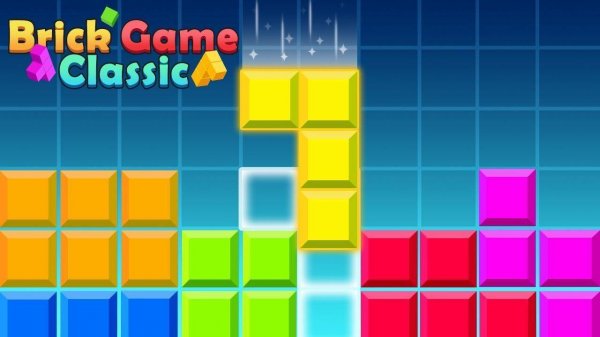
In Stack & Clear Puzzle, players guide a series of block shapes as they descend into a confined play area. The primary goal is to rotate and position each piece so that it fills gaps and creates a solid horizontal row. Once a row is complete, it vanishes, granting points and freeing up space for more blocks. This cycle repeats, with the falling speed gradually increasing, demanding quicker thinking and more precise placement.
Strategic Depth
While the basic action is simple, mastering the game requires foresight. Players must consider not only where the current block fits but also how it affects future placements. Clearing multiple rows at once yields higher scores, encouraging players to set up combinations. Keeping the stack low and avoiding uneven piles are key tactics that separate casual players from dedicated ones.
Visual and Audio Design
The game presents a clean, uncluttered interface that focuses attention on the puzzle itself. Block shapes are clearly defined with distinct colors, making them easy to identify. Sound effects provide gentle feedback for placements and line clears, while background music maintains a calm but alert atmosphere. This design ensures the experience remains pleasant during both short breaks and longer play sessions.
Accessibility and Replay Value
Stack & Clear Puzzle is designed to be approachable for newcomers. The controls are intuitive, typically involving simple keyboard inputs for movement and rotation. There are no complex menus or tutorials to navigate. Because the block order is randomized, each game presents a unique sequence of shapes, ensuring that no two sessions are alike. This randomness, combined with the increasing speed, gives the game near-infinite replayability.
Progression and Scoring
The scoring system rewards both efficiency and ambition. Clearing a single line gives a base number of points, but clearing two, three, or four lines at once multiplies the reward significantly. This encourages players to take calculated risks. As the player's score climbs, the game tracks progress, providing a sense of accomplishment and a target to beat in future attempts.
Compatibility
Play on Any Device | Chrome / Safari / Edge Recommended










Player Comments
Sign in to comment
You must be logged in before posting a review or rating.
No account? Create one
No comments yet. Be the first to comment!