Core Gameplay Loop
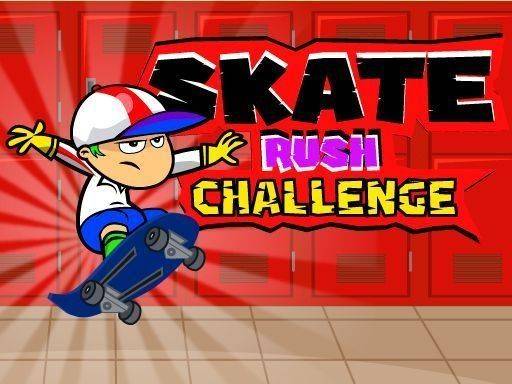
Players guide a young character on a skateboard through school hallways that have been transformed into obstacle courses. The primary objective is to reach the end of each corridor without colliding with objects like backpacks, lockers, or other students. Success depends on reading the environment quickly and reacting with precise jumps or ducks. Coins scattered along the path provide score boosts, and special items may offer temporary advantages such as speed increases or brief invincibility. The controls are straightforward, using arrow keys on a keyboard or touch gestures on mobile devices, allowing players to focus entirely on navigating the course.
Progression and Difficulty Curve
As players advance, the hallways become more congested with obstacles that appear in increasingly complex patterns. Early levels introduce basic hazards like single backpacks or open lockers, while later stages combine multiple obstacles in tight sequences that demand careful timing. The game gradually increases speed and obstacle density, ensuring that beginners can learn the mechanics without frustration while experienced players find a satisfying challenge. Each level features a unique layout, so memorizing one corridor does not guarantee success in the next. This design encourages repeated play and skill refinement.
Visual Style and Atmosphere
The game presents a bright, cheerful school environment with colorful hallways, classroom doors, and bulletin boards that create a lively backdrop. Character animations are smooth and expressive, with the main skater performing small tricks when landing jumps. The art style avoids any dark or intense themes, making it suitable for players of all ages. Background details such as posters, lockers, and plants add personality without distracting from the gameplay. The overall tone remains lighthearted and playful, reinforcing the family-friendly nature of the experience.
Controls and Responsiveness
Input methods are designed for immediate accessibility. Keyboard players use the up arrow to jump and the down arrow to duck, while mobile users swipe upward or downward on the screen. The game registers inputs with minimal delay, so actions feel responsive even during fast-paced sections. This responsiveness is critical when navigating tight gaps between obstacles. The control scheme does not require complex combinations, allowing players to concentrate on timing rather than remembering button sequences. Practice helps improve reaction speed, but the basic mechanics remain simple throughout.
Reward System and Replayability
Collecting coins and special items during each run contributes to a cumulative score that encourages replaying levels. Players may aim for higher scores by gathering all coins in a level or completing it without any collisions. The game does not include penalties for restarting, so experimenting with different approaches is encouraged. Special items appear occasionally and can help overcome particularly difficult sections, but they are not required to finish any level. This balance between challenge and reward keeps the experience engaging without becoming frustrating.
Compatibility
✅ Works on PC & Mobile | Recommended: Chrome / Safari / Edge










Player Comments
Sign in to comment
You must be logged in before posting a review or rating.
No account? Create one
No comments yet. Be the first to comment!