Core Gameplay Loop
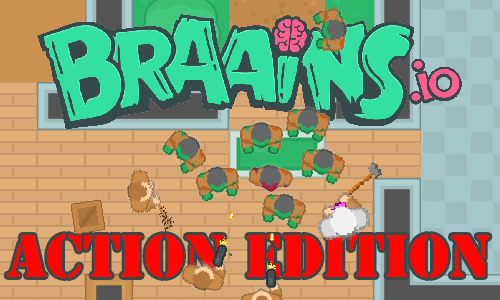
Cooperative Chase Arena takes the familiar playground activity of tag and expands it into a large-scale cooperative experience. Each match begins with one player designated as the chaser. Their goal is to tag others, who then join the chasing team. The remaining players must work together to avoid being caught until the timer runs out. There are no weapons or power-ups, so success depends entirely on movement, awareness, and group coordination. The simple premise makes it easy for new players to understand, while the need for teamwork adds depth for experienced participants.
Map Design and Environmental Interaction
The game map is filled with buildings and scattered debris. Players can use these objects to create barriers, blocking doorways or narrow passages to slow down the chaser. However, careful placement is important because blocking an exit can accidentally trap teammates inside a building. Learning the layout of each map helps players identify safe zones and escape routes. The environment is not just a backdrop but an active part of the strategy, requiring players to think about how to use their surroundings effectively.
Team Dynamics and Communication
Since there are no individual power-ups, the only way to survive is through effective teamwork. Players must communicate constantly to warn others about the chaser's location, coordinate barricading efforts, and decide when to move as a group versus splitting up. The game encourages players to develop strategies together, such as assigning lookouts or creating multiple safe zones. This emphasis on cooperation makes each match feel like a shared challenge rather than a competition, fostering a positive and inclusive atmosphere.
Accessibility and Replayability
Controls are limited to basic movement, so anyone can start playing without a steep learning curve. Matches are short, allowing for quick restarts and multiple rounds in a single session. The lack of violent content makes it suitable for players of all ages, including families and school groups. Because each match involves different player compositions and strategies, no two games feel exactly the same. The combination of simple mechanics and emergent teamwork creates a highly replayable experience that stays fresh over time.
Compatibility
This H5 game runs smoothly on:
• Desktop computers (Windows / Mac) • Mobile phones (iPhone / Android)
• Tablets (iPad / Android)
🌐 Best experienced with Chrome, Safari, or Edge





Player Comments
Sign in to comment
You must be logged in before posting a review or rating.
No account? Create one
No comments yet. Be the first to comment!