Timber Path Cycling Challenge stands out for its realistic bike physics that make every bump and turn feel consequential. The checkpoint system reduces frustration on longer courses, and the option to skip particularly tough sections keeps the game moving. While the visual style is straightforward, the gameplay depth comes from learning how speed and balance interact on each unique trail. It is a solid choice for players who enjoy skill-based cycling games without unnecessary complexity.
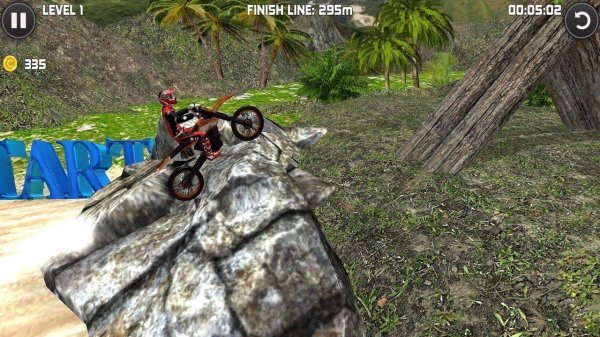
The forest setting in Timber Path Cycling Challenge is not just a backdrop but an active part of the gameplay. Each trail winds through dense woodland with uneven ground, fallen branches, and natural dips that require constant attention. The environment changes as you progress, with steeper inclines and tighter corners appearing in later stages. This design keeps every run feeling distinct and encourages players to study the path ahead rather than rely on memorization alone.
The cycling mechanics emphasize realistic weight distribution and momentum. Leaning forward or backward affects how the bike reacts when hitting bumps or landing after small jumps. Speed must be managed carefully—going too fast on a rough section can cause loss of control, while moving too slowly may prevent clearing certain obstacles. This balance between speed and stability forms the core challenge, rewarding players who learn to adjust their approach based on the terrain.
A checkpoint system marks your progress through each course, allowing you to resume from the last point reached if you lose control. This feature reduces frustration on longer trails and lets you focus on mastering individual sections. For particularly difficult segments, the game offers the option to skip ahead after several attempts, keeping the experience flowing without getting stuck. This thoughtful design makes the game accessible to both newcomers and experienced players seeking a challenge.
Success in Timber Path Cycling Challenge comes from developing a feel for the bike and the track. Beginners should start at a moderate pace to learn how the bike responds to different surfaces. As confidence grows, you can push for faster times by taking more direct lines and timing jumps to clear obstacles efficiently. The game rewards consistent practice—each attempt builds familiarity with the course layout and improves your ability to anticipate what comes next.
The game presents a clean, readable visual style that clearly shows upcoming obstacles and terrain changes. Feedback is immediate: the bike tilts and bounces realistically, and the screen provides clear cues when you are about to lose balance. This clarity helps players make split-second decisions without confusion. The forest environment is rendered with enough detail to feel immersive while keeping the focus on gameplay clarity.

Player Comments
Sign in to comment
You must be logged in before posting a review or rating.
No account? Create one
No comments yet. Be the first to comment!